About
"A lot of the characters I played had no names. No history. And so I got really practiced in creating a whole character out of a cloth that I brought. Create a history. Create a philosophy. Create a politic. Create a cultural experience... So that when I was barely visible in a piece, the audience might go, 'I wonder what that woman’s about?' And they might think, 'there’s more there.' In trying to encourage people to tell our stories as Indigenous women... we have stories to tell. And I was not a writer. I was not a director. I was not a producer.... all I could do is act. And try to tell the stories as best I could."
In her four-hour interview, Tantoo Cardinal talks about her early life in Alberta, Canada, including her education and family. She discusses finding out she is Métis and connecting with Indigenous culture through various organizations she was involved with, such as the Canadian Native Friendship Center and the Native Communications Society. She recounts how she got her first acting role in a CBC docudrama about Father Lacombe and expands on how she learned about acting. She recalls her audition for Dances with Wolves and comments on the impact of the film. Cardinal details other films she was in, including Black Robe, He Comes Without Calling, Marie-Anne, Loyalties, Silent Tongue, Where the Rivers Flow North, Legends of the Fall, The Education of Little Tree, Smoke Signals, Unnatural and Accidental, Older than America, Down Here, Falls Around Her, Through Black Spruce, and Killers of the Flower Moon. Additionally, she talks about her various television roles, including “Marilyn” on Longmire and “Bea Mayer” on Three Pines. She shares the challenges she experienced on Dr. Quinn, Medicine Woman and Outlander, and touches on her other television work, including Spirit Bay, Gunsmoke: Return to Dodge, 500 Nations, Big Bear, A Thief of Time, Moccasin Flats, Blackstone, Mohawk Girls, and Echo. She talks about her work in theater productions, including Jessica, The Rez Sisters, and an all-Indigenous production of King Lear. She goes into her involvement in the environmental movement, as well as the accolades she has received throughout her career, including the Order of Canada and several honorary doctorates. Throughout the interview, Cardinal reflects on her experiences and challenges as an Indigenous actress and the barriers that Indigenous people have experienced in the entertainment industry and throughout history. She explains her goal of telling true stories about Indigenous experiences, discusses the Tap Roots Actors Academy she established, and shares advice to aspiring actors. Brian Wescott conducted the interview in a joint venture with the Academy of Motion Picture Arts and Sciences on March 18, 2024 in Los Angeles, CA.
Highlights
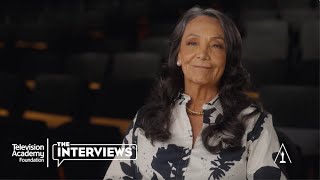
Tantoo Cardinal on developing a rich backstory for the characters she portrayed; on acting in order to encourage people to tell the full stories of Indigenous women
Tantoo Cardinal on her experience reading the script of Dancing with Wolves and the impact the film had on the perception of Indigenous people
Tantoo Cardinal on working with River Phoenix in Silent Tongue
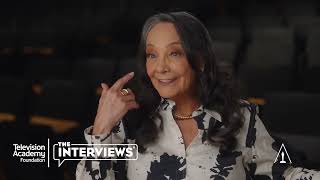
Tantoo Cardinal on receiving the Order of Canada
Tantoo Cardinal on getting arrested with Margot Kidder while protesting the environmental movement in Washington, D.C., and how the earthquake that happened as they were released inspired the creation of the Idle No More movement
Tantoo Cardinal on working on Longmire and connecting with her character "Marilyn"
Full Interview
Chapter 1
On her early life and family in Alberta, Canada; on her early school life; on the stigma of being Indigenous and finding out she was Métis; on seeing Harry Daniels and learning about Métis history; on getting food from trapping and train deliveries to the local store
On her family's spirituality and nuns trying to recruit her to go to a convent; on moving to the city for high school and connecting with Cree culture at the Canadian Native Friendship Center; on the stories from her parents' generation being kept secret and having to dig it up; on how community support evolved as funding became tied to politics; on the organizations that were being established at the time, including the Native Communications Society and Voice of Alberta Native Women Society; on how her husband's involvement in the Civil Rights Movement inspired her
On her early acting gig on the CBC docudrama about Father Lacombe and how the opportunity opened up for her; on how the Métis people were betrayed by Father Lancombe and the church; on learning about the craft of acting; on working with Chief Dan George on He Comes Without Calling and the challenges of being able to tell their own truths and stories; on working on Marie-Anne, her first full-length feature
On writing radio plays for Alberta School Broadcasts on the Battle of Batoche and her family's involvement in Batoche; on the 1981 stage play, Jessica, and her roles in the play; on being on Spirit Bay; on the film Loyalties and its impact; on her first experience in Los Angeles doing a Bob Hicks film at the American Film Institute; on working on Gunsmoke: Return to Dodge
Chapter 2
On her audition for Dances with Wolves and the impact of the film; on working on Black Robe and how it misrepresented Indigenous people; on working on Silent Tongue and playing a role with no dialogue; on her experience on Where the Rivers Flow North
On working on Legends of the Fall and the challenges of shooting on location; on Dr. Quinn, Medicine Woman and her experience on the show; on working on North of 60 and winning a Gemini Award for the role; on comparing the representation of Indigenous people in media in Canada and the United States and the impact of Peter Gzwoski's CBC radio morning show; on how Indigenous rights movements have been ahead in Canada comapred to the United States; on her great-grandfather not having to worry about borders in his time
On working on 500 Nations, the HBO film Grand Avenue, and The Education of Little Tree; on working on Smoke Signals and how it built up confidence in Indigenous stories; on the difference between working on small indie movies and big studio movies; on working on Big Bear and the challenges Gil Cardinal faced as an Indigenous director; on the animated short Stories from the Seventh Fire and directoring voice actors in the film
On co-founding the Saskatoon Native Theatre Company; on writing a short story for the book Our Story: Aboriginal Voices on Canada’s Past; on working on the PBS movie A Thief of Time; on working on Moccasin Flats; on working with Don Cardinal, Lorne Cardinal's father; on receiving honorary doctorates; on working on Unnatural and Accidental
Chapter 3
On the film Older than America; on being in the play Three Little Birds and working on it with her son; on receiving the Order of Canada; on the Alberta Tar Sands and how businesses have changed her community's environment; on being involved in the environmental movement and protesting in Washington, D.C. with Margot Kidder; on stepping back from her involvement in the environmental movement
On working on the film Eden and learning about the sex trade world from that job; on what she learned about the police and the dismissed investigations of missing women while doing Unnatural and Accidental; on her approach to voiceover work and the differences between doing voiceover for narration and animation projects; on working in an all-Indigenous production of King Lear and the other Shakespeare roles she would be interested in doing
On the series Blackstone, on being in the film Down Here; on her role in Mohawk Girls; on comparing the pacing between television and movie productions; on working on the play The Rez Sisters; on working on Longmire and her character, "Marilyn"
On working on the film Falls Around Her and the limitations of working with an indie film budget; on having to take on different languages at the start of her career and how that has changed over time; on working on Through Black Spruce; on "pretendians" who pretend to be Indigenous; on her character in Godless; on her frustrations with non-Indigenous writers not fully understanding Indigenous culture; on how the value of Indigenous women and responsibility to the earth have been diminished
Chapter 4
On working on Stumptown; on the challenges she faced while being on Outlander; on her character on See; on how she feels about show cancellations; on being executive producer on the documentary Sisters Rising; on encouraging positivity despite the history of violence against of Indigenous people; on being on Three Pines and her character "Bea Mayer;"on how she handles working with heavy topics; on being in the stage play The Inheritence as "Margaret Avery"
On working with Martin Scorsese on Killers of the Flower Moon and how the film failed to show the reality of Indigenous women experiencing violence; on her experience on Echo, working with Alaqua Cox, and learning sign language for the show
On getting inspiration from the people who raised her and learning about acting from the people she worked with; on the Tap Roots Actors Academy she established in 2021 and the projects they work on; on the kinds of roles she would like to have; on advice to aspiring actors; on wanting to work on telling her own stories
Shows
Dr. Quinn, Medicine Woman
Tantoo Cardinal on working on Dr. Quinn, Medicine Woman, and Larry Seller's work in keeping the integrity of how Indigenous culture was portrayed on the show
Tantoo Cardinal on her character being massacred in Dr. Quinn, Medicine Woman, and a fan letter reflecting on the massacre scene's impact
Topics
Advice
Tantoo Cardinal on advice to aspiring actors, especially Indigenous actors
Civil Rights Movement
Tantoo Cardinal on her husband's involvement in the Civil Rights Movement and how it inspired her to give back to her community
Creative Influences and Inspiration
Tantoo Cardinal on the people she was raised with being her inspiration for acting
Tantoo Cardinal on co-founding the Saskatoon Native Theatre Company and how supporting storytelling initiatives for Indigenous youth has been part of her healing process
Tantoo Cardinal on her husband's involvement in the Civil Rights Movement and how it inspired her to give back to her community
Tantoo Cardinal on how the film Loyalties led her to see herself as an actor and influenced her to further her training
First Big Break
Tantoo Cardinal on getting one of her first acting gigs on a CBC docuseries about Father Lacombe
Historic Events and Social Change
Tantoo Cardinal on encouraging positivity despite the history of violence against and abuse of Indigenous people
Tantoo Cardinal on how Killers of the Flower Moon did not show the reality of Indigenous women experiencing violence
Tantoo Cardinal on the Alberta Tar Sands and how her community was affected by growing businesses in the area
Tantoo Cardinal on how the environmental movement still misses how things happening in one place affects the whole earth
Tantoo Cardinal on getting arrested with Margot Kidder while protesting the environmental movement in Washington, D.C., and how the earthquake that happened as they were released inspired the creation of the Idle No More movement
Tantoo Cardinal on having to take roles in other languages at the start of her career and how that has changed over time
Tantoo Cardinal on how some people misrepresent Indigenous identity for money or to further their career
Tantoo Cardinal on her frustrations with how non-Indigenous writers don't fully understand Indigenous culture, especially in relation to language, the importance of women in their culture, and how to take care of the earth
Tantoo Cardinal on acting in order to encourage people to tell the stories of Indigenous women
Tantoo Cardinal on the importance of cultural consultants and Larry Sellars doing that work on Dr. Quinn, Medicine Woman
Tantoo Cardinal on how Canada was ahead of the United States in the representation of Indigenous people in media
Tantoo Cardinal on how Indigenous rights movements have been ahead in Canada than in the United States
Tantoo Cardinal on Gil Cardinal directing Big Bear and the challenges he experienced as an Indigenous director
Tantoo Cardinal on working on A Thief of Time and production not respecting her request not to play a traditional Navajo woman
Tantoo Cardinal on how the Métis people became recognized in the Canadian Constitution
Tantoo Cardinal on her husband's involvement in the Civil Rights Movement and how it inspired her to give back to her community
Tantoo Cardinal on how Father Lacombe tricked the Métis people into leaving their land
Overcoming Adversity
Tantoo Cardinal on working on A Thief of Time and production not respecting her request not to play a traditional Navajo woman
Tantoo Cardinal on pushing back on the language used and refusing to do a fight scene in her first full feature film, Marie Anne
Tantoo Cardinal on being left at the red carpet of Marie-Anne and architect Douglas Cardinal taking her to the celebration at the Governor General's mansion
Pivotal Career Moments
Tantoo Cardinal on the people she was raised with being her inspiration for acting
Tantoo Cardinal on receiving the Order of Canada
Tantoo Cardinal on co-founding the Saskatoon Native Theatre Company and how supporting storytelling initiatives for Indigenous youth has been part of her healing process
Tantoo Cardinal on working on A Thief of Time and production not respecting her request not to play a traditional Navajo woman
Tantoo Cardinal on receiving honorary doctorates and seeing it as a way to honor her ancestors
Tantoo Cardinal on her husband's involvement in the Civil Rights Movement and how it inspired her to give back to her community
Tantoo Cardinal on getting one of her first acting gigs on a CBC docuseries about Father Lacombe
Tantoo Cardinal on pushing back on the language used and refusing to do a fight scene in her first full feature film, Marie-Anne
Tantoo Cardinal on being left at the red carpet of Marie Anne and architect Douglas Cardinal taking her to the celebration at the Governor General's mansion
Tantoo Cardinal on how the film Loyalties led her to see herself as an actor and influenced her to further her training
Representation on Television
Tantoo Cardinal on having to take roles in other languages at the start of her career and how that has changed over time
Tantoo Cardinal on how some people misrepresent Indigenous identity for money or to further their career
Tantoo Cardinal on her frustrations with how non-Indigenous writers don't fully understand Indigenous culture, especially in relation to language, the importance of women in their culture, and how to take care of the earth
Tantoo Cardinal on acting in order to encourage people to tell the stories of Indigenous women
Tantoo Cardinal on the importance of cultural consultants and Larry Sellars doing that work on Dr. Quinn, Medicine Woman
Tantoo Cardinal on how Canada was ahead of the United States in the representation of Indigenous people in media
Tantoo Cardinal on Gil Cardinal directing Big Bear and the challenges he experienced as an Indigenous director
Tantoo Cardinal on working on A Thief of Time and production not respecting her request not to play a traditional Navajo woman
Tantoo Cardinal on the barriers to being able to tell the truth and stories of Indigenous people properly
Tantoo Cardinal on pushing back on the language used and refusing to do a fight scene in her first full feature film, Marie-Anne
Television Industry
Tantoo Cardinal on advice to aspiring actors, especially Indigenous actors
Tantoo Cardinal on how streaming made a difference for the show Blackstone
Tantoo Cardinal on comparing the pacing between television and movie productions
Underrepresented Voices
Tantoo Cardinal on the barriers to being able to tell the truth and stories of Indigenous people properly
Professions
Actress
Tantoo Cardinal on how she handles a show getting canceled
Tantoo Cardinal on how working on projects about heavy topics lightens her load
Tantoo Cardinal on learning sign language for her role in Echo
Tantoo Cardinal on the people she was raised with being her inspiration for acting
Tantoo Cardinal on learning how to act from her grandmother and the people she worked with
Tantoo Cardinal on the Tap Roots Actor Academy she established in 2021 and why it was important to her to create this storytelling community
Tantoo Cardinal on the projects that the Tap Roots Actor Academy works on and the impact on that community
Tantoo Cardinal on the kinds of roles she'd like to have and wanting more powerful and humanizing roles
Tantoo Cardinal on advice to aspiring actors, especially Indigenous actors
Tantoo Cardinal on how being an older Indigenous woman felt limiting, and how freeing her role in Falls Around Her was for her
Tantoo Cardinal on having to take roles in other languages at the start of her career and how that has changed over time
Tantoo Cardinal on why writer Chong Kim chose her to play the nurse in Eden
Tantoo Cardinal on her audition for Dancing with Wolves and learning Lakota for the film
Tantoo Cardinal on performing a character with no dialogue on Silent Tongue and acting to encourage people to tell the stories of Indigenous women
Tantoo Cardinal on choosing to work on the film Where the Rivers Flow North instead of the series North of 60 to avoid getting stuck with one character
Tantoo Cardinal on the difference between working on small indie movies and big studio movies
Tantoo Cardinal on playing two characters interacting with each other in the opening scene of Unnatural and Accidental
Tantoo Cardinal on acting in order to encourage people to tell the stories of Indigenous women
Tantoo Cardinal on getting one of her first acting gigs on a CBC docuseries about Father Lacombe
Tantoo Cardinal on learning about how to be observant from her mother's example and applying that to acting
Tantoo Cardinal on what she learned about acting from doing short films for the Native Communications Society and observing the work of others
Tantoo Cardinal on learning from Chief Dan George that being an actor doesn't have to mean losing who you are
Tantoo Cardinal on working on her first full-length feature, Marie-Anne
Tantoo Cardinal on how the film Loyalties led her to see herself as an actor and influenced her to further her training
Directors
Tantoo Cardinal on Gil Cardinal directing Big Bear and the challenges he experienced as an indigenous director
Tantoo Cardinal on directing voice actors on the animated short Stories from the Seventh Fire
Voiceover
Tantoo Cardinal on doing voiceover work and how it compares to acting on set
On how doing voiceover work for narration projects differs from animation projects
Genres
Comedy Series
Tantoo Cardinal on working on Mohawk Girls
Cop/Detective/Mystery Series
Tantoo Cardinal on working with the cast of Stumptown
Tantoo Caridnal on working on Three Pines
Tantoo Cardinal on working on North of 60
Drama Series
Tantoo Cardinal on Outlander and the challenges she faced while on the show
Tantoo Cardinal on being on See
Tantoo Cardinal on being in Blackstone
Tantoo Cardinal on working on Dr. Quinn, Medicine Woman
Tantoo Cardinal on working on Moccasin Flats
News and Documentary
Tantoo Cardinal on being executive producer on Sisters Rising
Tantoo Cardinal on doing voiceover work for some of Ken Burns's documentaries
Tantoo Cardinal on working on 500 Nations
TV Movies/Miniseries/Dramatic Specials
Tantoo Cardinal on working on Echo
Tantoo Cardinal on working on the PBS movie A Thief of Time
Tantoo Cardinal on Big Bear
Tantoo Cardinal on working on Gunsmoke: Return to Dodge
Western Series
Tantoo Cardinal on working on Longmire
Tantoo Cardinal on being in Godless
Tantoo Cardinal on working on Dr. Quinn, Medicine Woman
Tantoo Cardinal on working on Gunsmoke: Return to Dodge
People
Ken Burns
Tantoo Cardinal on doing voiceover work for some of Ken Burns's documentaries
Martin Scorsese
Tantoo Cardina on working with Martin Scorsese on Killers of the Flower Moon
Tantoo Cardinal on how she felt about Martin Scorsese's depiction of Indigenous women in Killers of the Flower Moon