Thirty Years Ago Today Our First Interview Was Recorded


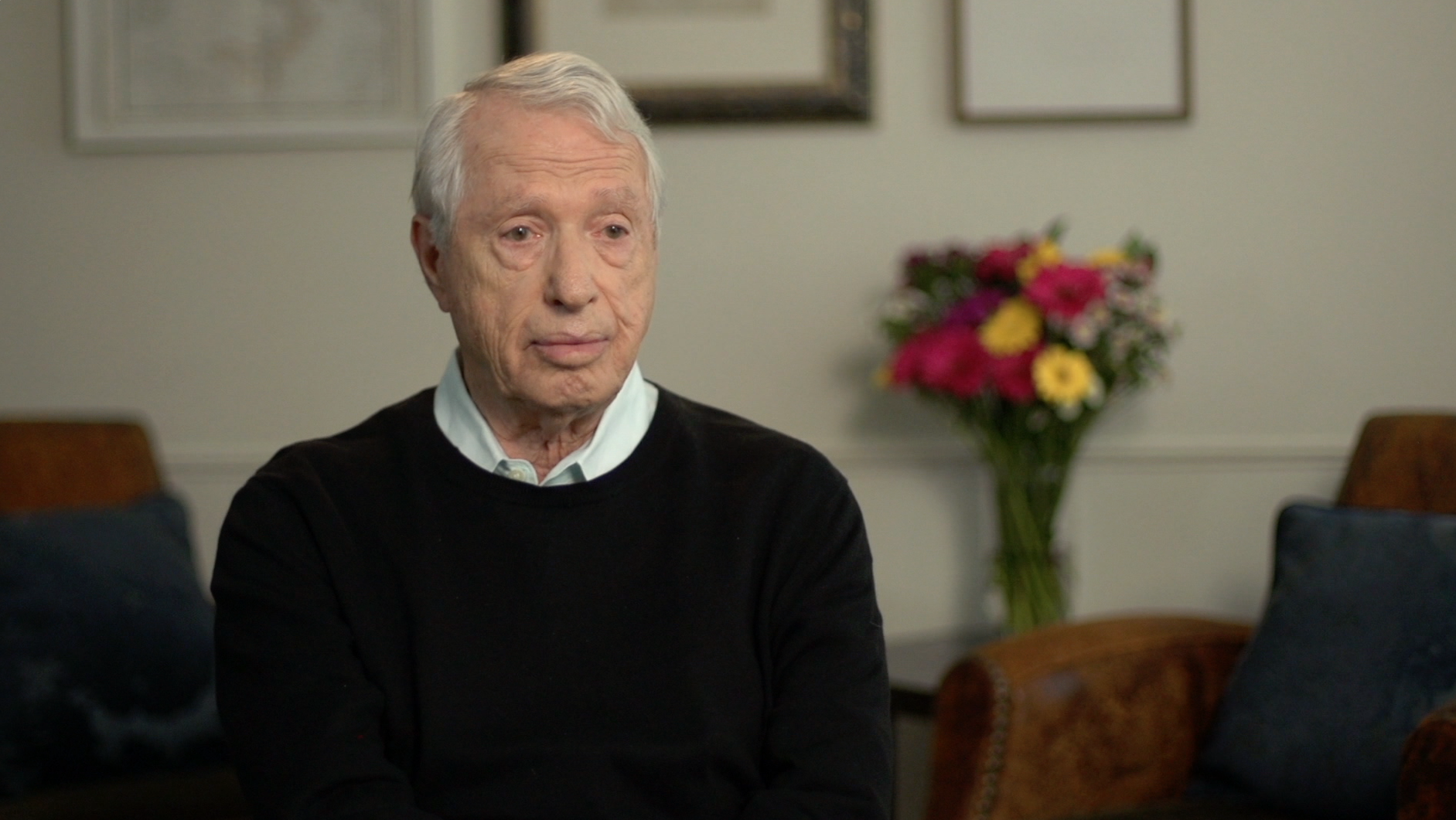
We wanted to take a moment to commemorate the anniversary of the very first interview recorded for this collection: Leonard H. Goldenson, founder and Chairman of the Board of American Broadcasting Company (ABC), on May 14, 1996 by Marvin Wolf.
The Archive of American Television (now, The Interviews) was inspired by Steven Spielberg's Survivors of the Shoah Visual History Foundation and television executive Dean Valentine. Valentine persuaded then-president of the Television Academy, Richard Frank, to explore the idea of creating a visual history archive about television's founders. The project was piloted with six key interviews in 1996, and under the direction of the Television Academy Foundation's then-president Thomas W. Sarnoff, the Interviews project was greenlit, and has continued to the present-- with over 950 interviews in the current collection chronicling the medium's pioneers.
Mr. Goldenson covered a lot of ground in his three-plus hour interview; from his early days hanging around his father's movie theater in his hometown of Scottdale, PA, to studying law at Harvard University, to the impact of seeing television for the first time at the 1939 World's Fair. Goldenson's early belief in the new medium which he described as "the greatest potential possible for programming," emboldened him to seek to acquire ABC from RCA in 1953. Along with NBC's David Sarnoff and CBS' William S. Paley, he is considered one of the earliest architects of television. He would remain at the helm of the network until 1986. His interview touches on his bold risks in creating new niche networks for cable television (like ESPN and A&E) and discusses programming groundbreaking television for ABC (American Bandstand, Monday Night Football, and Roots to name but a few).
Here is an excerpt:
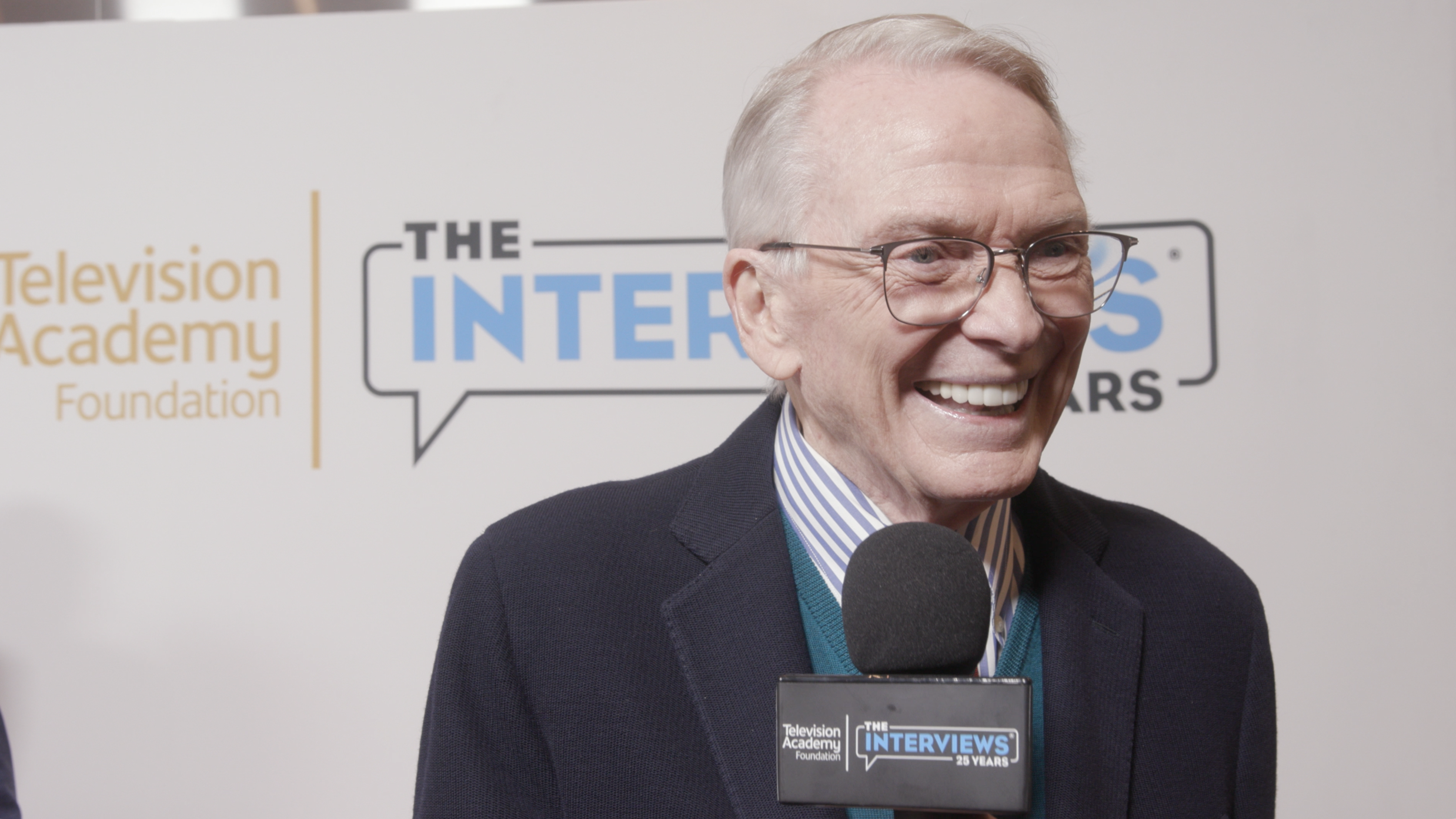
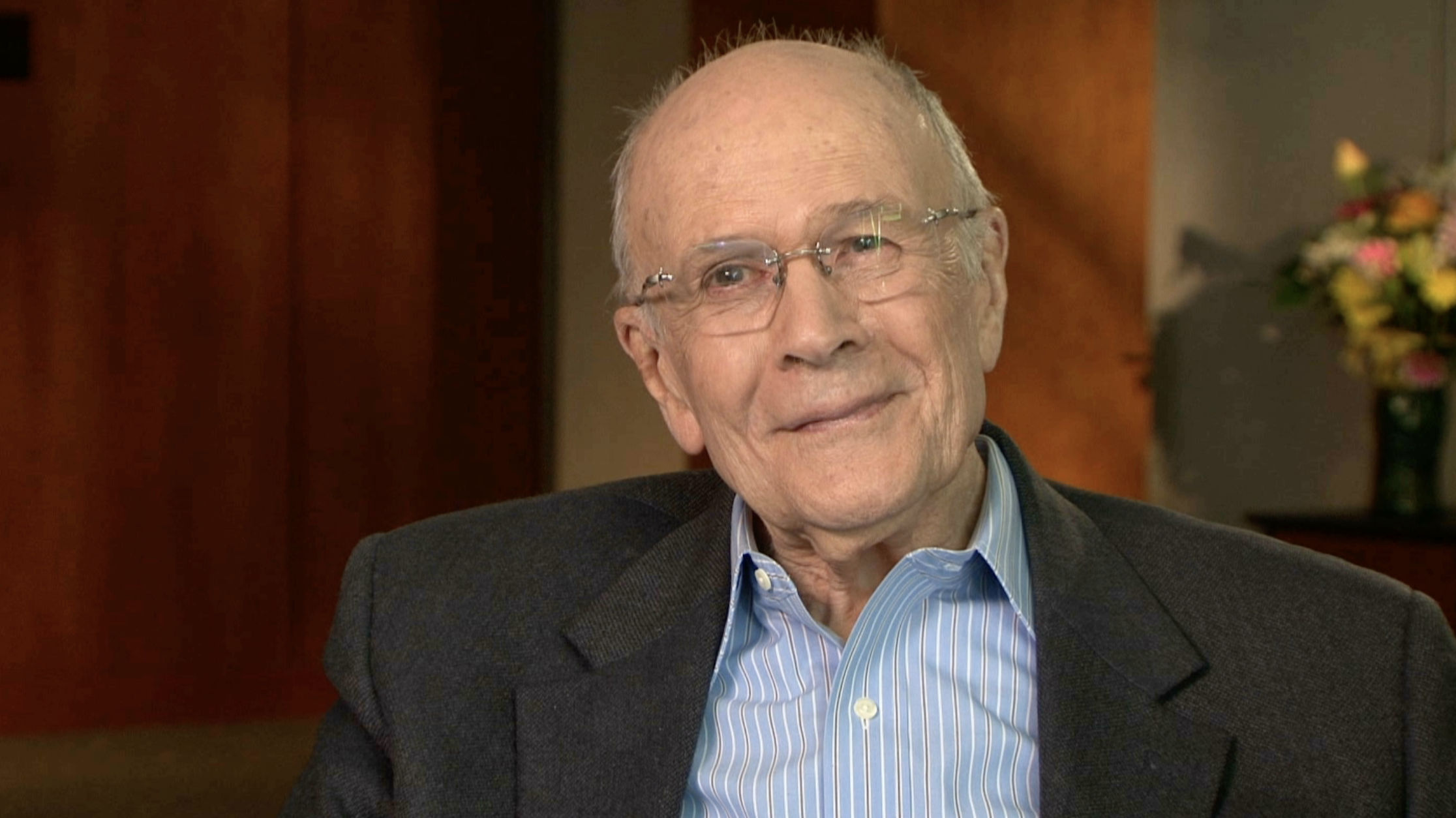
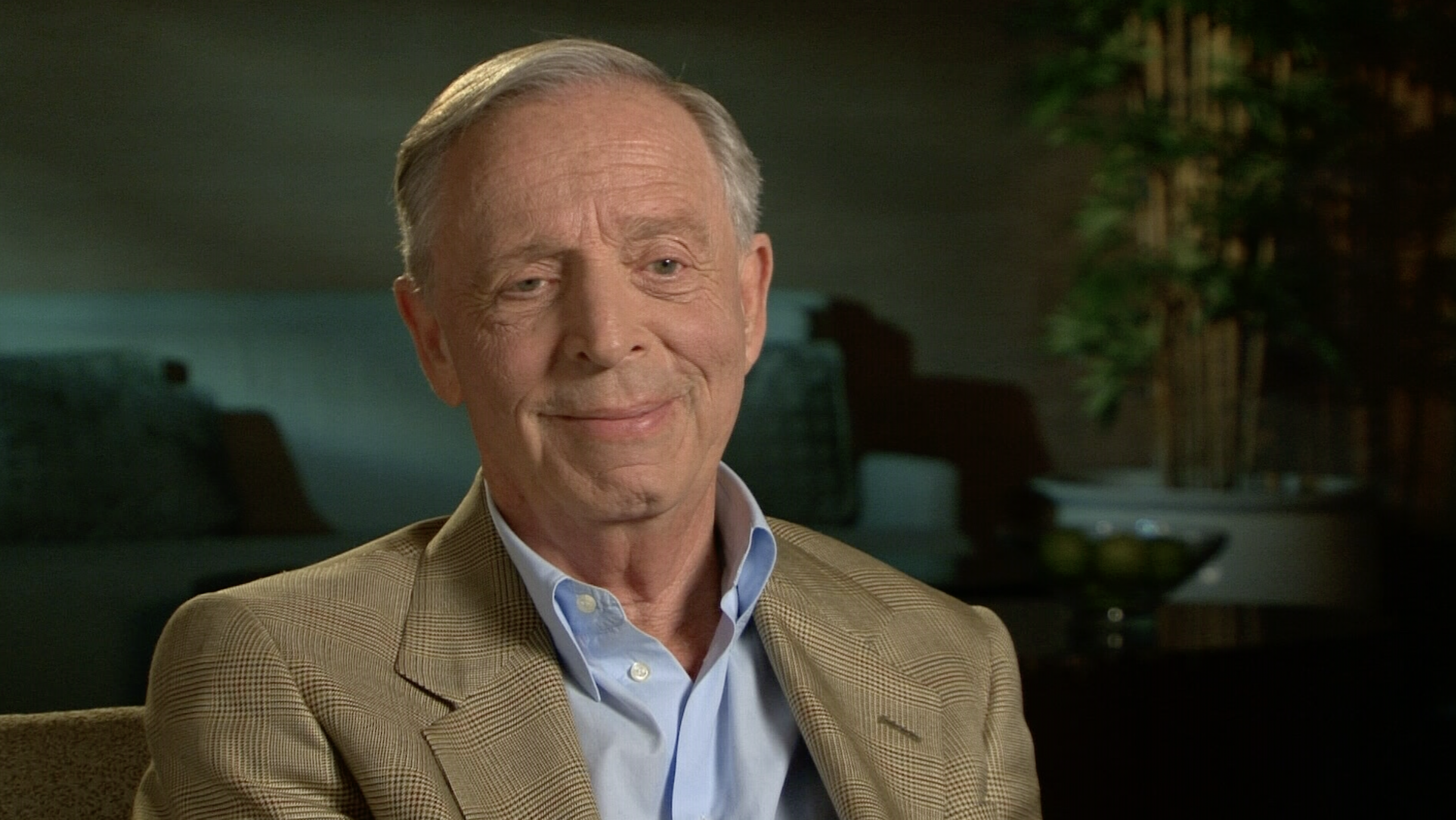
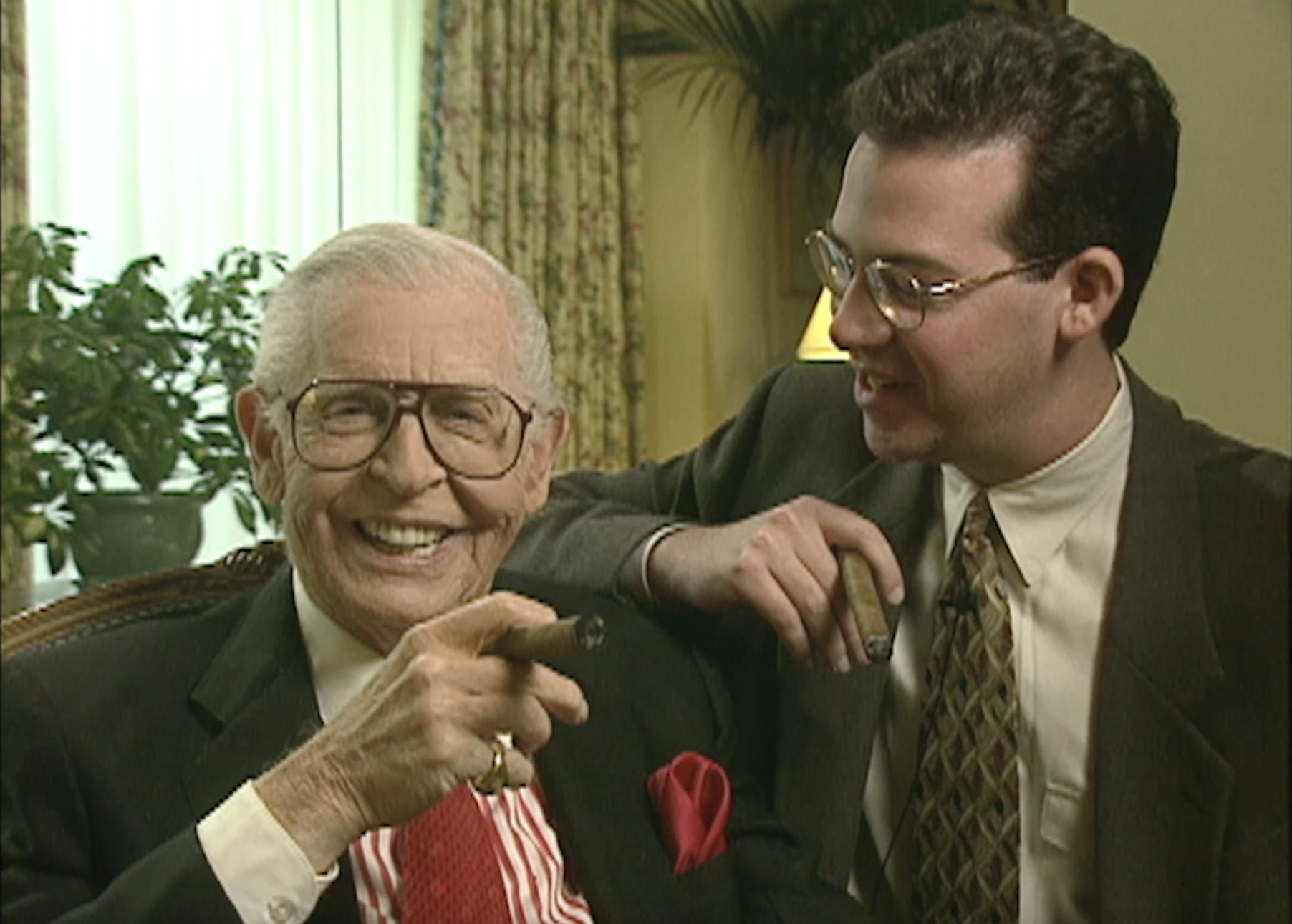
There's a wonderful article written by our producer Adrienne Faillace about our history if you'd like to learn more. But a recent catchup with one of our earliest supporters and interviewers, Dan Pasternack, reminded me of exactly why this work is so important. When I asked if he's rewatched any of the many interviews he's conducted for this archive over the years (like the late great Milton Berle and Jonathan Winters), Dan said he has, and that doing so is like "revisiting an old friend" - many of whom have since passed on. Through these living histories, we can go back and listen to and learn from these groundbreakers.
I am so thankful to Dan, and so many others who have worked on this project over the past 30 years. I leave you with the words of Dean Valentine, in a letter sent to Dan back in 1995 explaining the mission of this project:
"More than our literature, music, film or art, Television has come to define our society, whether one views television as a vast wasteland and "opiate for the masses" or even an art form is irrelevant. Quite simply, more people get their entertainment news or view of the world from television than from any other medium. Yet beyond a few textbooks, biographies, or efforts to collect and preserve radio and television programming, nothing has been done to create a complete oral and video history. It is imperative that a complete record of television from the early pioneers, whose visionary talents enabled them to create a brand new medium to the present, and future individuals who will make additional contributions must be collected and preserved. With the death of another TV legend such as Danny Arnold and Ida Lupino, we lose the opportunity to preserve the legacy of those individuals who made a lasting impact during its infancy, the window of opportunity to capture television history is closing fast. It must not be lost."- Dean Valentine, November 3rd, 1995
- Jenni Matz, Director, The Interviews